How Our First Photo Walks Changed the Way We Work
A look back at the early walks: small groups, wrong turns, and the routines we kept because they made people comfortable.
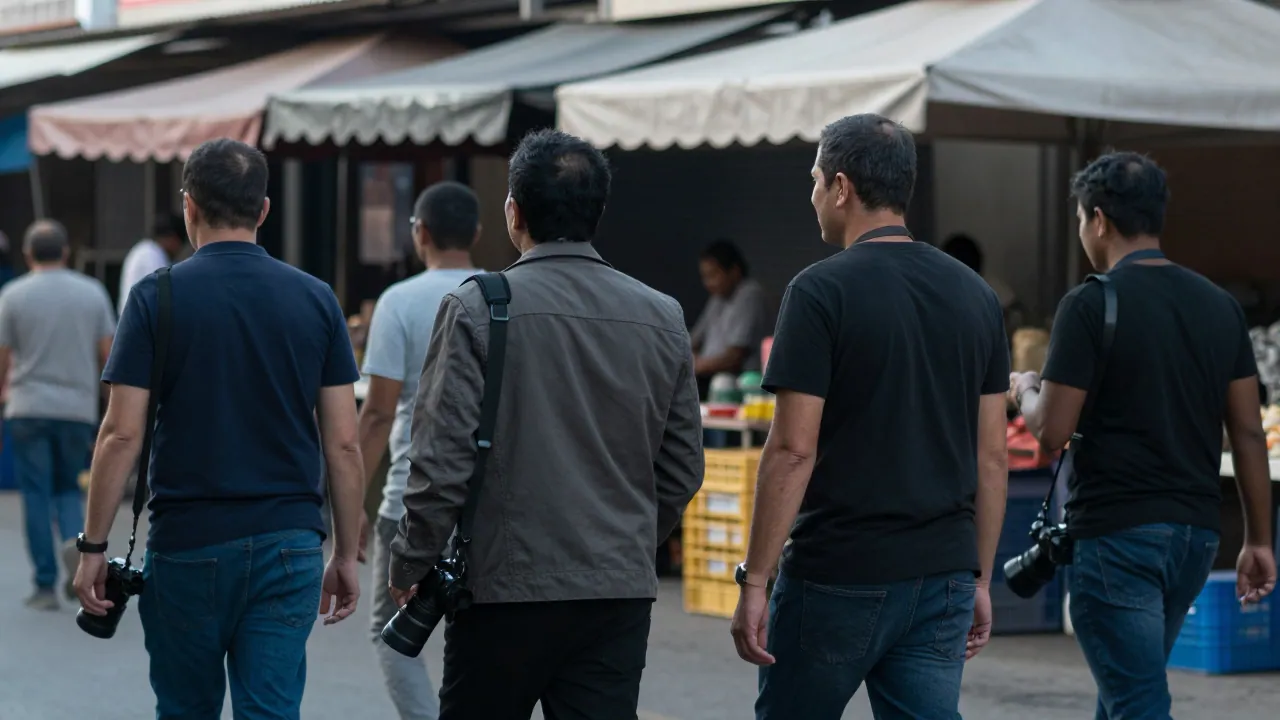
Our first photo walks were not planned as a series. They started as a way to share a few hours on a Saturday, walk slowly through the city, and see what happened. We kept the groups small from the beginning, partly because we did not know how to manage a crowd, and partly because small groups made it easier to stop and talk. We made wrong turns, lost the light, and learned which routines people actually appreciated. This is a recap of those early walks, what we noticed, and why some of our first habits are still with us. If you are curious about joining a Saturday photo walk, this is where it started.
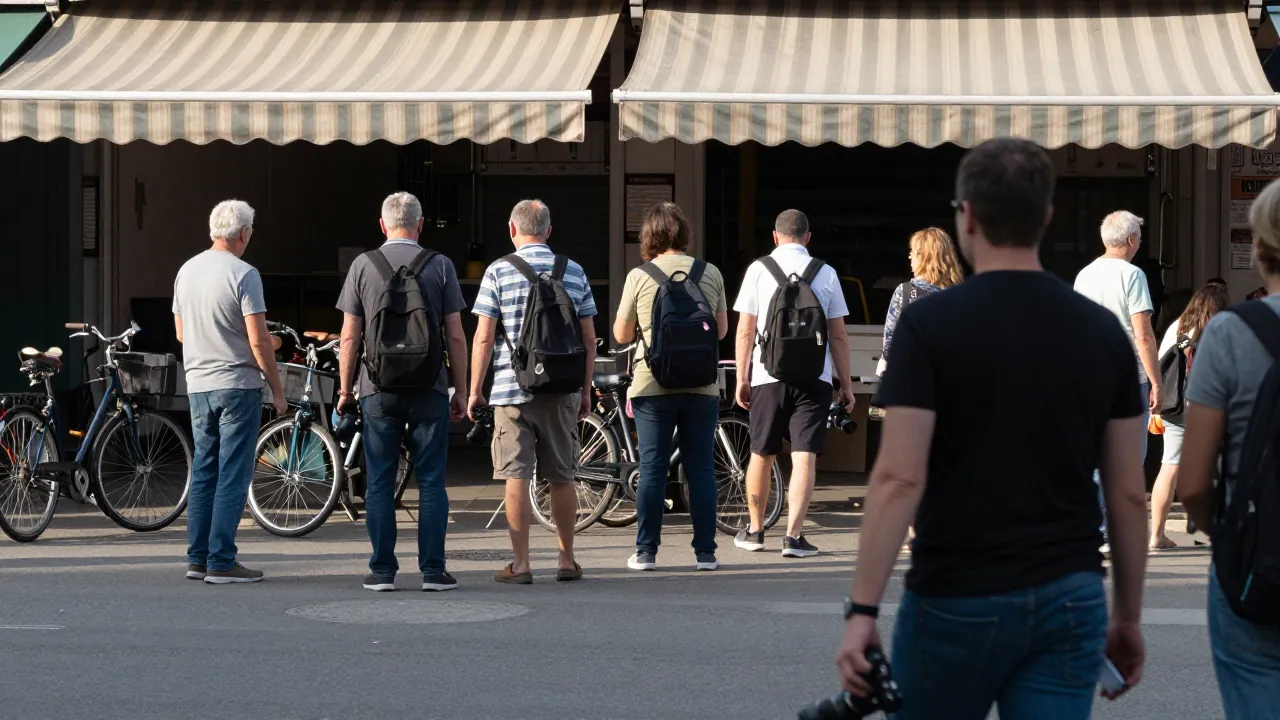
The first walk we organized had eight people. We had printed a route on a sheet of paper, folded it badly, and stood near a metro exit trying to look like a group someone might want to join. Two people arrived early, one arrived late, and one asked whether we would be walking fast. We said no. That was probably the most useful thing we said all morning.
We had chosen a route through the 11th arrondissement because it was familiar to us, but familiar is not the same as good for a group. We stopped at a corner where the light was nice, and then realized we were blocking a doorway. We moved on. Reading a street scene before you press the button became a habit partly because of moments like that: you have to look at the whole scene, not just the light.
The small group size was not a strategy at first
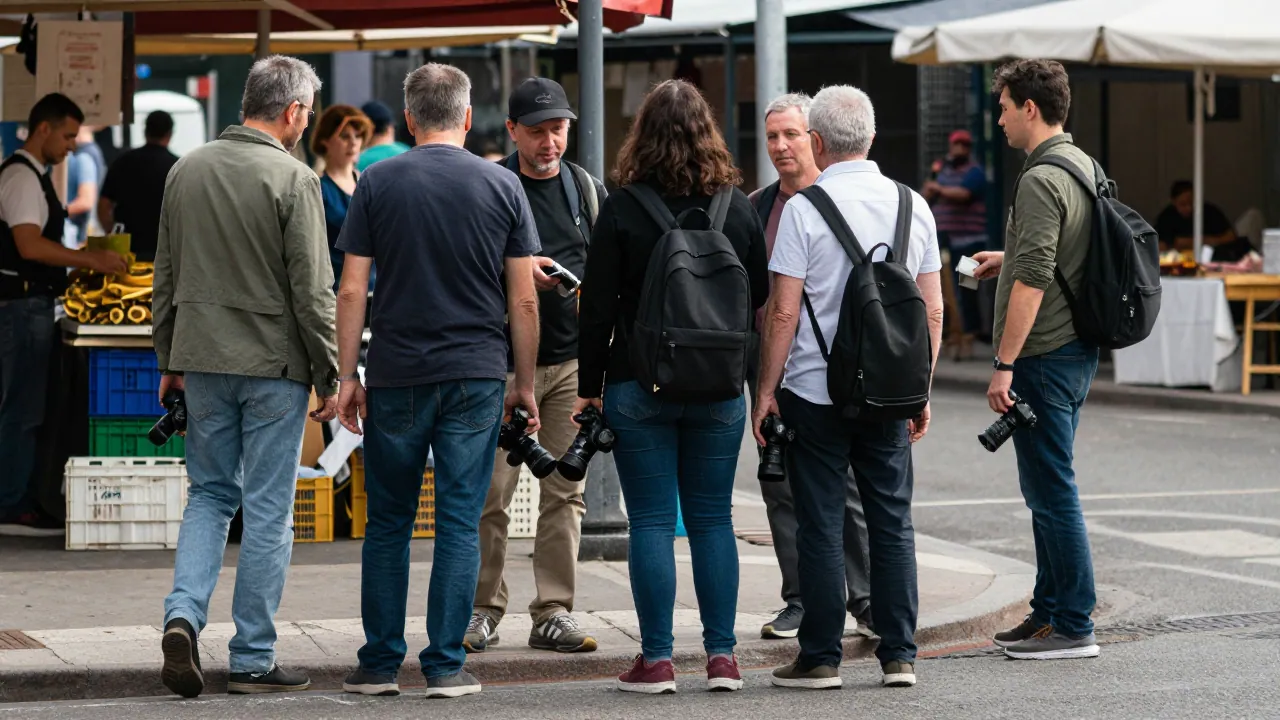
We kept the group small because we did not know how to manage more people. Eight felt manageable. Twelve felt like a school trip. Over the first season, the average group size was nine, and we noticed that people talked to each other more when the group was smaller. They asked questions, pointed things out, and stayed longer at the end. That was not something we had planned, but it was something we wanted to keep.
Small groups also made it easier to change plans. If a market was too crowded, we could turn around. If the light was better on a side street, we could go there. We did not have to herd anyone. That flexibility became one of the reasons we still keep a cap on group size, even when more people ask to join.
Wrong turns and what they taught us
On the third walk, we took a wrong turn near a church and ended up in a courtyard that was not on the route. It was quiet and the light was coming through a tree. We stayed for twenty minutes. Nobody minded. That wrong turn taught us that the route is a suggestion, not a contract. We started building in more slack: fewer stops, more time at each stop, and no pressure to cover the whole plan.
We also learned to write the route down but not to rely on it. A route that looks good on a map can be a dead end in real life. Where the 11th arrondissement gets quiet after Sunday lunch is a good example of a place we found by accident and then kept going back to because it worked for groups.
- Start with a clear meeting point and a visible sign.
- Keep the first stop close to the start, so people settle in.
- Leave room for one unplanned stop.
- End near a metro or a café, so people can leave or stay.
The routines we kept because they made people comfortable
We did not set out to create routines, but some things stuck. At the start, we say who we are, what the walk is for, and how long we expect it to last. We ask people to say their first name and whether they are shooting film or digital. That is it. It takes two minutes, and it makes the group feel less like strangers.
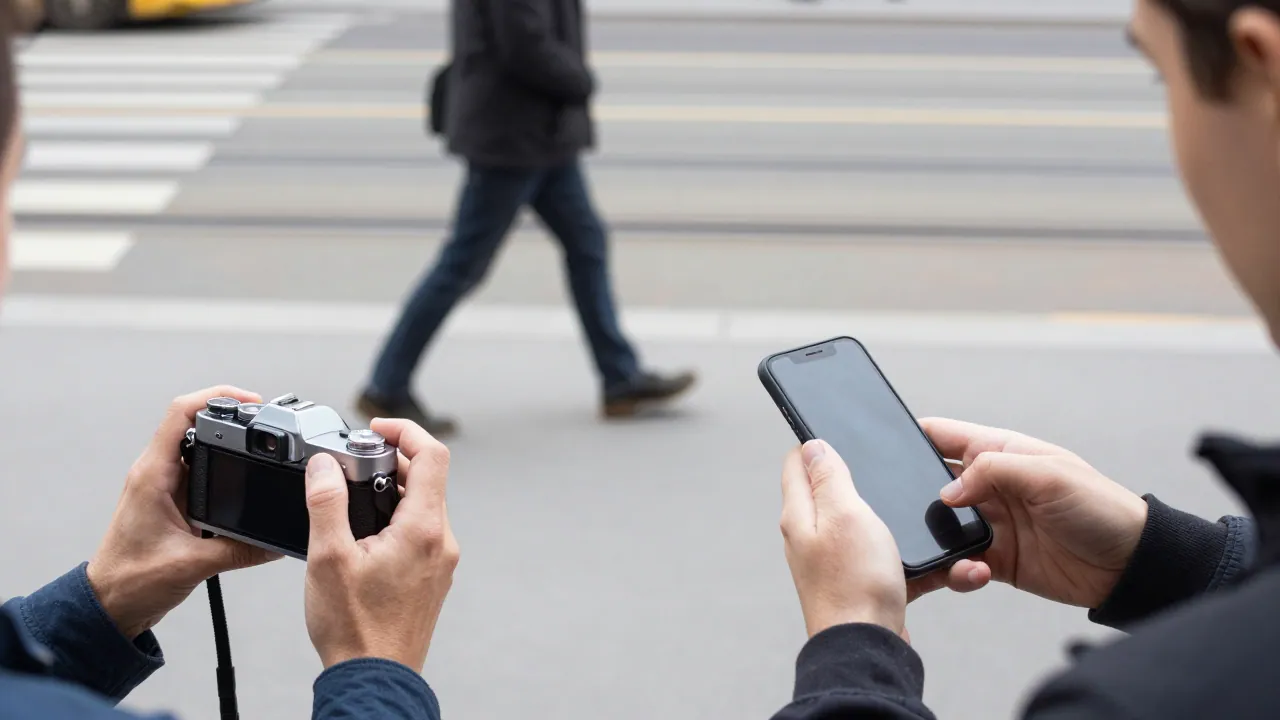
At the end, we do a short check-in. Anyone who wants to can show one frame on their camera screen or phone. There is no critique, just a look. People often say that this is the part they remember. It is also where we hear what worked and what did not. Five framing habits that slow you down came out of those conversations.
We stopped trying to cover the whole route. The walk is not about the route. It is about the hour you spend looking.
What we changed for the next season
After the first season, we made three changes. We stopped announcing a fixed route in advance, because people spent more time checking the map than looking around. We added a second host for walks over ten people, so no one gets left behind. And we started writing a short note after each walk: what we saw, what we missed, and what we would do differently. That note is now part of how we plan the next season.
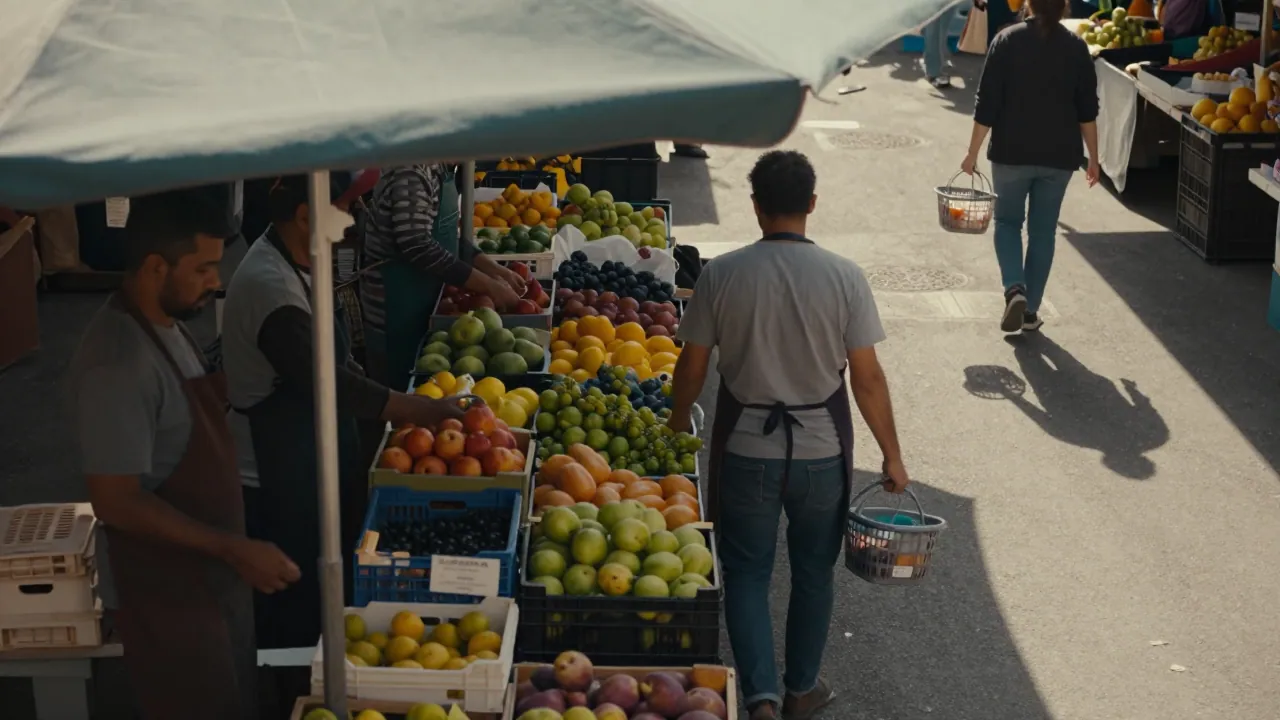
We also learned to say no to too many stops. A walk with five stops feels rushed. A walk with two or three stops feels like a walk. What we look for on a market walk in Belleville is a good example of a route that works because it does not try to do too much.
Next season, we will keep the small groups and the short check-ins. We will also try one new thing: a slow walk with no route at all, just a starting point and a time to meet back. If it works, we will tell you. If it does not, we will write that down too.
Questions people ask
How many people usually join a walk?
On the early walks, the average group was nine people. We keep a cap on group size because smaller groups make it easier to talk, stop, and change plans without losing anyone.
Do I need to bring a specific camera?
No. People bring phones, film cameras, and digital cameras. At the start, we ask what you are shooting with, but that is only to get to know the group. Any camera is fine.
What happens if the walk takes a wrong turn?
We treat the route as a suggestion. If we find a better corner or a quiet courtyard, we stop. The walk is not about covering a set distance, and we always end near a metro or a café.