Street Festivals in Paris: How to Photograph Them Without Getting in the Way
Practical advice for shooting parades and street celebrations: where to stand, when to ask, and how to move with the crowd instead of against it.
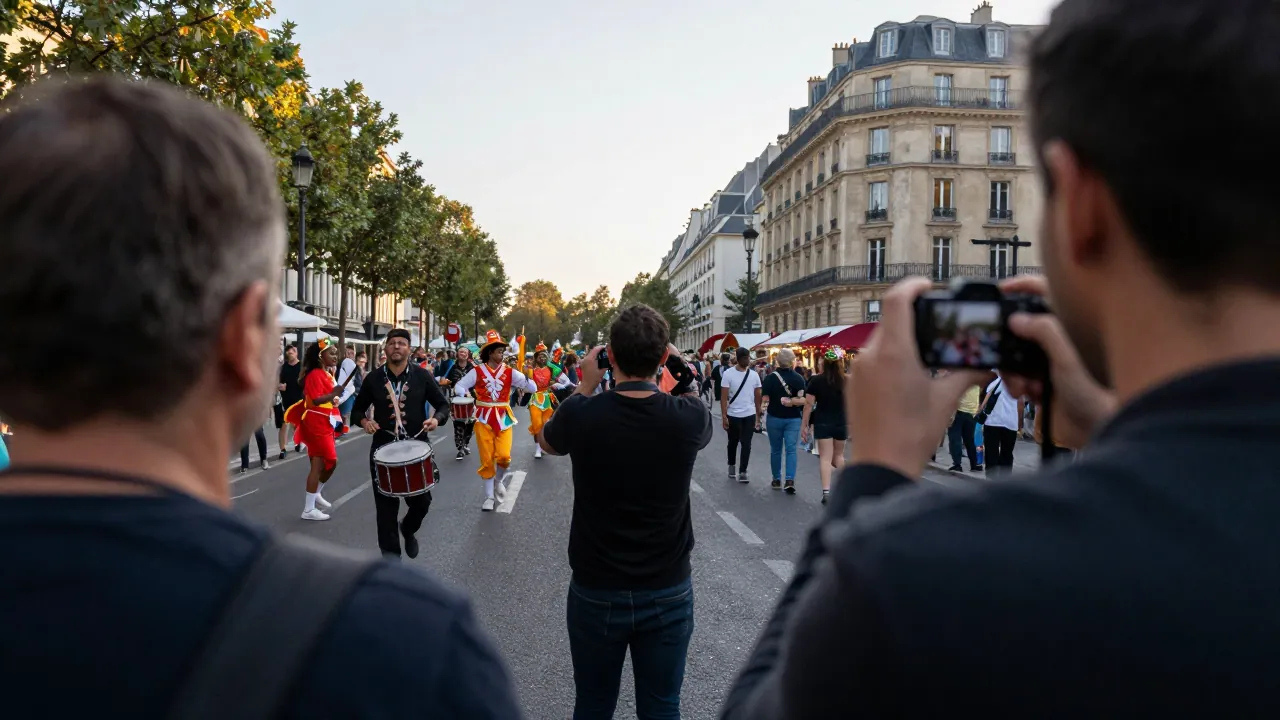
Street festivals in Paris are a gift for photographers: color, movement, and people at their most unguarded. https://bookofragra.pl/ They are also crowded, loud, and easy to ruin with one wrong step. This guide is for anyone who wants to photograph parades and neighborhood celebrations without blocking the view, annoying the people around them, or losing the moment. We have shot Bastille Day processions, Chinese New Year parades, fire brigade open days, and small market parties across the city. The lessons are simple: position yourself before the action arrives, ask when you can, and move the way the crowd moves. You will learn how to choose a spot, read the flow, and come home with pictures that feel like the day. If you are new to our walks, start with our Saturday photo walk to practice these habits in a smaller setting.
Before You Leave: What to Bring and What to Leave at Home
Festival days are long and unpredictable. A light bag and a single camera body will keep you mobile. We have learned to leave the tripod at home: it is a hazard in a moving crowd and marks you as an obstacle. The same goes for a large shoulder bag that swings behind you. Bring a small bag you can keep in front, a cloth for rain or dust, and a spare battery. If you shoot film, carry one extra roll and accept that you may not finish it.
- One camera with a wide or standard lens; a 35mm or 50mm equivalent covers most street scenes.
- A small bag worn across the body and kept in front of you.
- A spare battery and memory card, or one extra roll of film.
- A light rain jacket; weather changes fast in Paris, especially in spring.
- Water and a snack, because festival food lines are long and you may not want to leave your spot.
- A notebook or phone note for names and details if you plan to share pictures later.
Leave at home: tripods, large reflectors, and anything that needs two hands to carry. You will be standing for hours, and you will want both hands free to frame and to keep your balance. If you are unsure about gear, read five framing habits that slow you down before you pack.
Choosing Your Spot Before the Crowd Arrives
The best festival photographs often come from a spot you chose twenty minutes before anything happened. Arrive early, walk the route, and look for three things: a clear line of sight, a background that says where you are, and an exit you can use if the crowd presses in. A corner, a low wall, or the top of a few steps gives you height without blocking anyone behind you. Avoid the middle of the pavement where people need to pass.
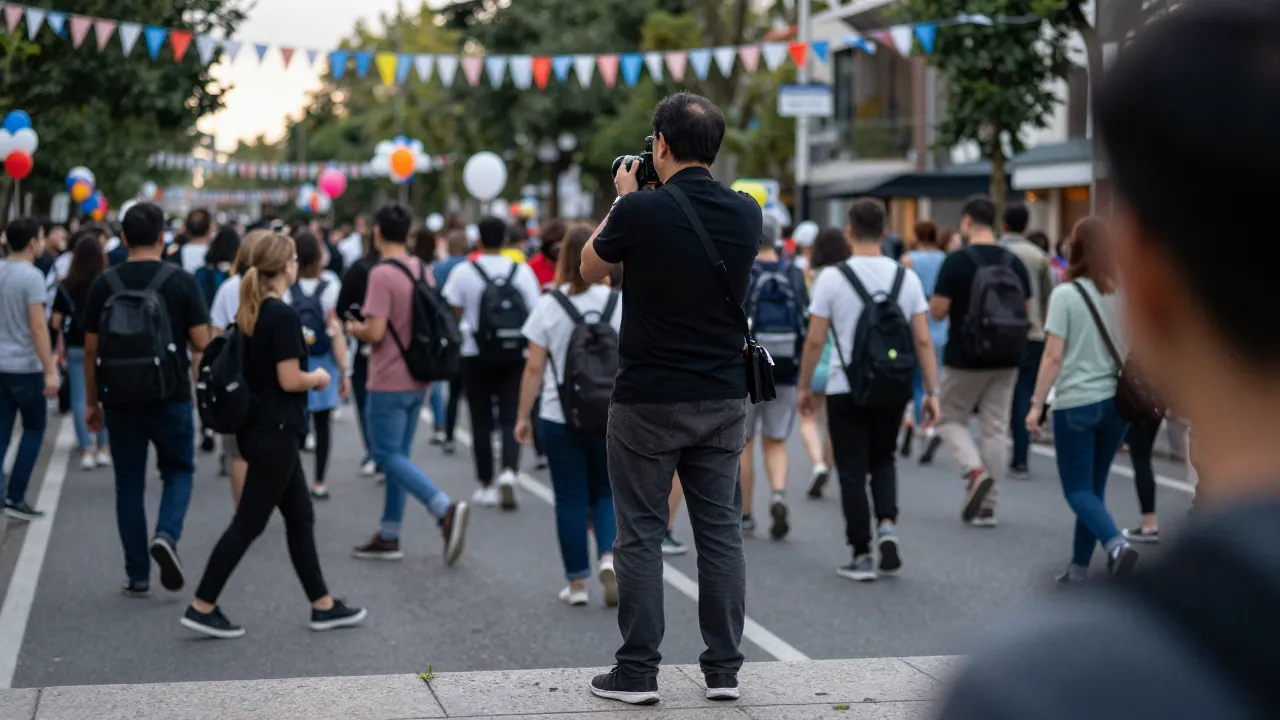
When the parade starts, stay put for at least ten minutes. The first wave of people is always the most pushy; the rhythm settles. If you move constantly, you will spend the day apologizing and missing the moments that happen in front of you. On our walks we practice standing still and letting the scene come to us, which is the same skill you need here.
A Simple Spot-Check List
- Stand where you can see the parade route and a piece of the neighborhood behind it.
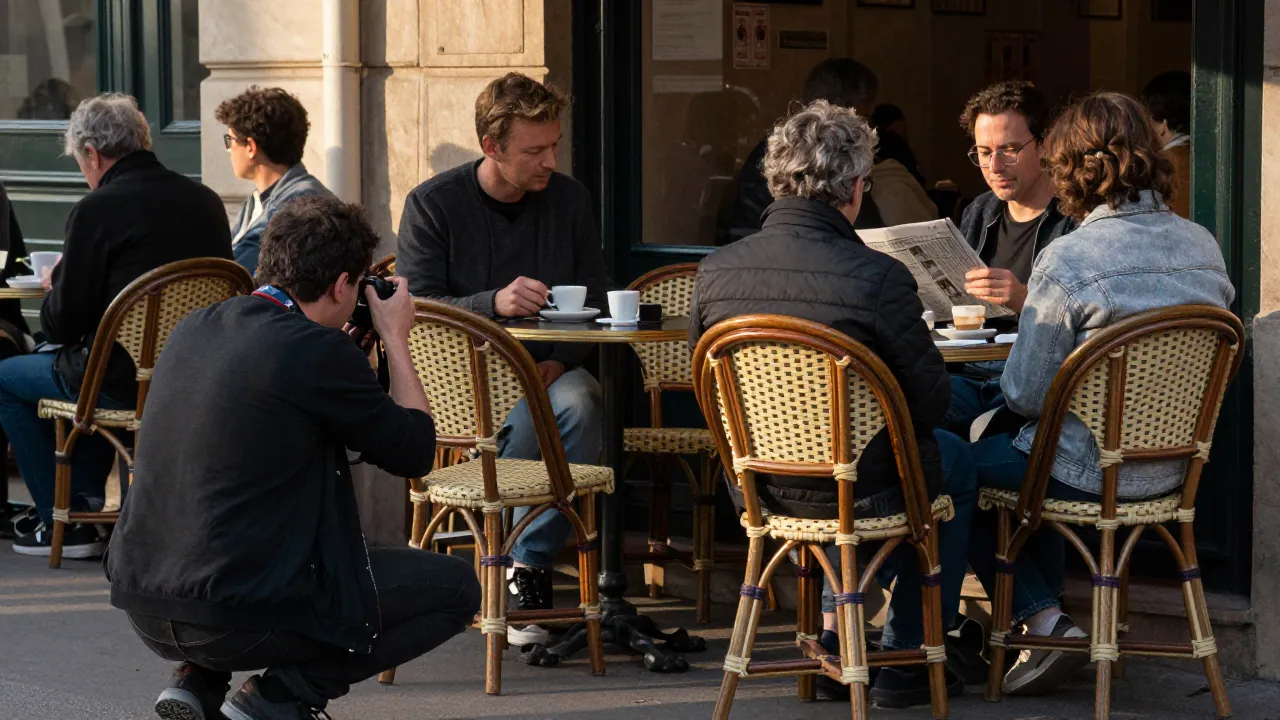
- Check that you are not in front of a doorway, a café terrace, or a crossing point.
- Make sure you have a clear path to step back or sideways if the crowd shifts.
- Keep your bag in front and your elbows close to your body.
- Take one test frame to see what the background looks like before the action arrives.
Asking, Smiling, and Knowing When to Step Back
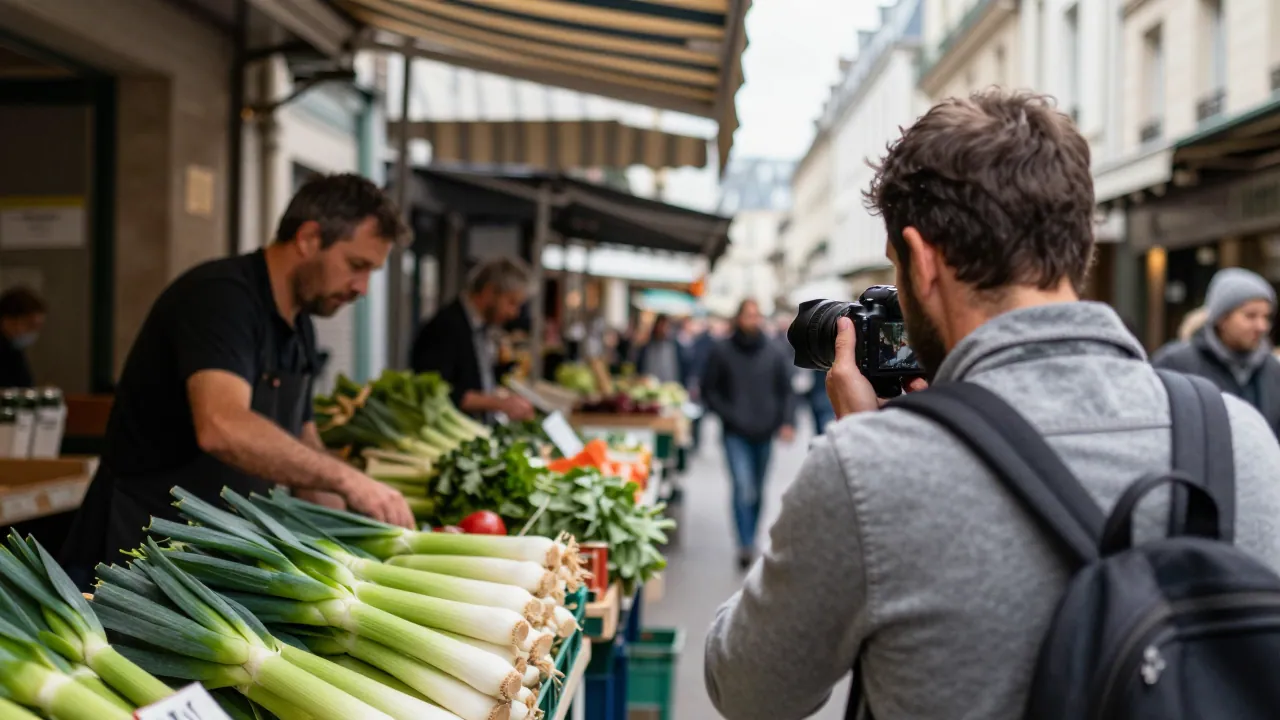
At a festival, people expect cameras. That does not mean they want to be photographed up close without a word. We use a simple approach: catch the eye, lift the camera slightly, and raise an eyebrow. If the person smiles or nods, shoot. If they turn away or raise a hand, lower the camera and move on. No explanation needed. For more detail on this, see how we approach strangers at a Paris market.
I always ask myself: would I mind if someone did this to me? If the answer is yes, I wait for a better moment or a different frame.
Performers and people in costume are usually happy to be photographed, but they are also working. Do not block their path, do not step into the performance area, and do not ask them to pose during the parade. Wait for a pause. If you want a portrait, ask after the procession has passed. The same goes for children: always ask a parent first, and accept a no without discussion. We cover this in our guide to reading a street scene before you press the button.
Moving With the Crowd, Not Against It
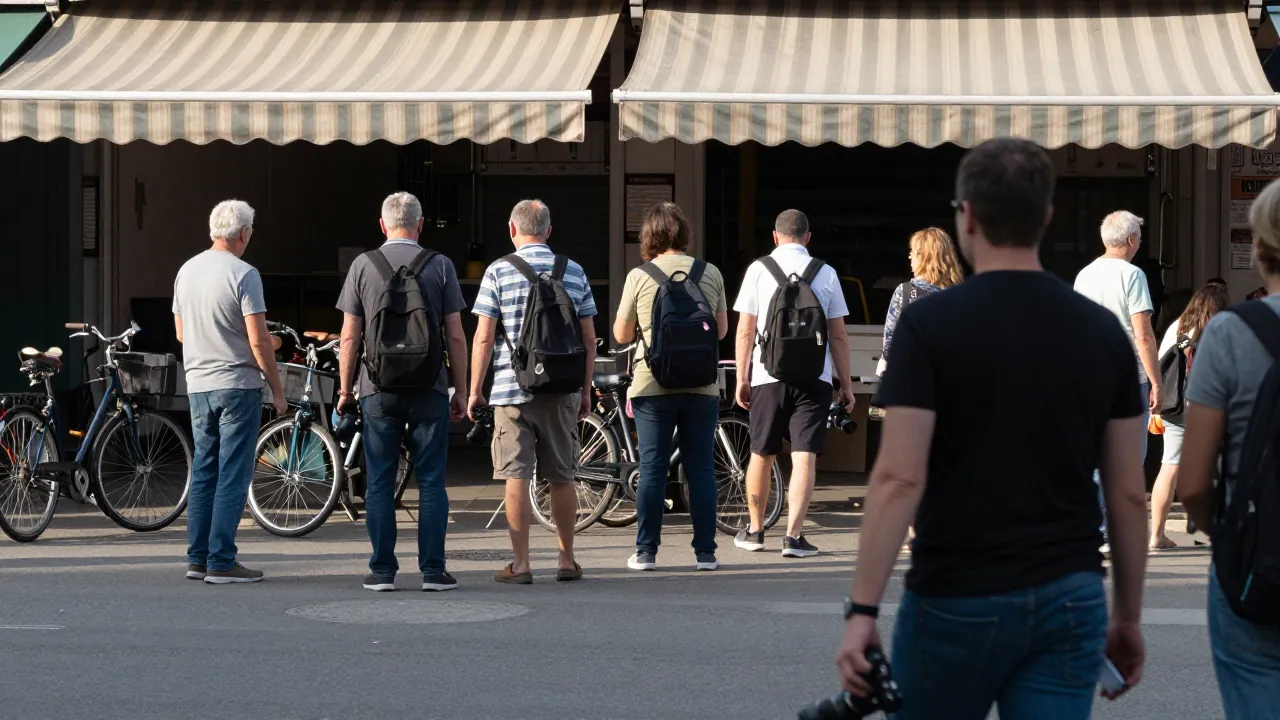
The biggest mistake we see is photographers walking upstream. It is exhausting for you and annoying for everyone else. Instead, find the direction the crowd is moving and walk with it, stopping only when you have a clear pocket of space. If you need to change position, step to the side first, then wait for a gap. Think of yourself as a leaf on the water, not a stone. For a deeper look at how we read a scene, the https://bookofragra.pl/ offers a useful perspective on photographing people in motion.
| Situation | What to Do | What to Avoid |
|---|---|---|
| Parade approaching | Stand at the edge with a clear background; shoot the first row, then the gaps. | Stepping into the street or in front of seated spectators. |
| Crowd moving fast | Walk with the flow, camera at chest height, shoot from the hip if needed. | Stopping suddenly or turning back against the current. |
| Performance circle | Stand at the back or on a low wall; wait for the crowd to shift. | Pushing to the front or blocking someone's view. |
| After the parade | Look for quiet moments at the edges: people resting, packing up, talking. | Following performers or continuing to shoot when they are done. |
Some of our best festival frames come after the main event, when the street empties and the light softens. If you have the time, stay for the cleanup. You will see a different side of the day. For a sense of how light changes in the city, read the winter light on Rue des Martyrs.
Editing and Sharing Without Overstepping
When you get home, resist the urge to post everything immediately. Choose the frames that tell the story of the day: the crowd, the detail, the face, the pause. If you promised to send a picture to someone, do it. Keep a small notebook or a note on your phone with names and places. And if someone asks you to delete a photo, do it without argument. That is the price of working in public.
Finally, remember that festivals are for everyone. The best compliment we hear is that we were not noticed. If you can move through a crowd, make a few good frames, and leave people feeling respected, you have done the work. Join us on a walk to practice these habits in a smaller setting, or read ten years of street photography habits to see how our approach has changed.
Questions people ask
Do I need a special permit to photograph festivals in Paris?
For personal, non-commercial photography in public spaces, no permit is needed. If you plan to sell images or use them commercially, check the rules for that specific event and location.
What should I do if someone asks me to stop photographing them?
Lower your camera, apologize briefly, and move on. Do not argue or explain. If they ask you to delete a photo, do it in front of them. Respect is more important than any single frame.
How do I keep my gear safe in a crowded festival?
Keep your bag in front of you, use a wrist strap, and avoid setting your camera down. Carry only what you need. If the crowd feels too tight, move to the edge and wait for it to pass.